QT is Dead, The Next Wave of the Fed’s Quantitative Easing | The Fed Restarts QE TOMORROW at $45B a Month, so Silver Explodes
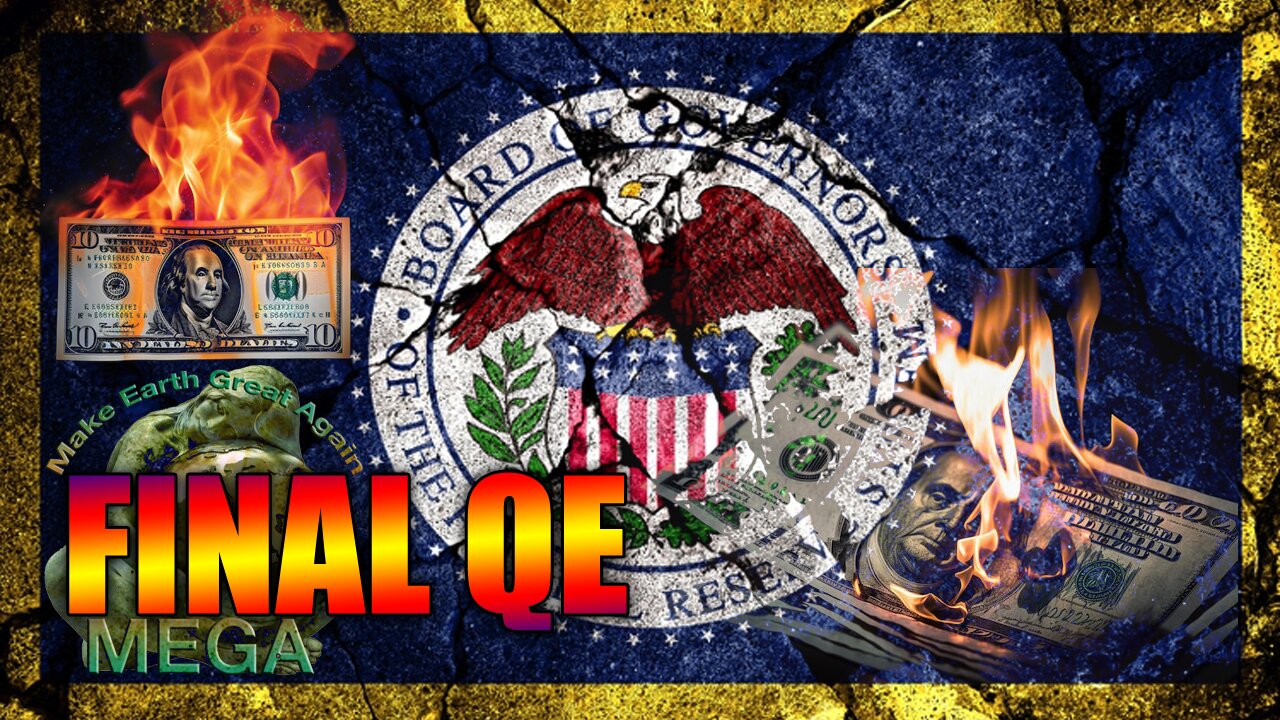
The Federal Reserve just hit pause on shrinking its balance sheet. After years of Quantitative Tightening, the Fed now signals a return to Quantitative Easing, starting TOMORROW, FRIDAY DECEMBER 12, 2025.
.
The Fed spent 2022 and 2023 pulling money out of the financial system. They are referred to as Quantitative Tightening, or QT for short. The goal is pretty simple to cut down the huge amount of cash they pumped into the markets during COVID, slowing inflation down, and getting things back to normal.
.
Now they are done; QT is dead.
.
Fed Chair Jerome Powell announced the move late in 2024; now, the central bank will resume buying bonds and pump money into the economy once again. It is a faster turnaround than many economists had anticipated.
.
You got to understand what forced this decision: the banking system was showing its cracks. Regional banks were struggling with liquidity. Overnight lending markets, a mess-even Treasury market, where the government borrows money, started acting weird.
.
The Fed saw warning signals everywhere. Instead of continuing with QT, they opted for stability. Banks need reserves to operate; when those reserves start getting too low, the whole system wobbles. The Fed decided the risk was too high.
.
What Quantitative Easing Actually Does
.
QE does sound complicated, but the mechanics are relatively simple.
.
The Fed digitally creates money. They, in turn, use this new money to buy Treasury bonds and mortgage-backed securities from the banks. Now, the banks have more cash sitting in their reserves. They can then lend this money to businesses and consumers. More lending equates to more spending. More spending increases the economy.
.
This floods the financial system with liquidity. With more money chasing the same quantity of loans, interest rates fall. The cheaper borrowing costs spur businesses to expand and hire, and homebuyers can afford mortgages. The stock market typically rallies as investors seek better returns than bonds offer.
.
But there’s a catch: print too much money, AND (HYPER)INFLATION COMES ROARING BACK. The tightrope that the Fed walks is growth versus price stability.
-
 UPCOMING
Timcast
19 minutes agoTrump TROLLS Legacy Media, Announces WARRIOR DIVIDEND, Venezuela Fake Out
-
 LIVE
LIVE
Steven Crowder
3 hours agoLWC Christmas Special 2025 | Giving Back with Santa Crowder
26,473 watching -
 LIVE
LIVE
Misfits Mania
1 day ago $1.90 earnedMISFITS MANIA: Press Conference
971 watching -
 LIVE
LIVE
Graham Allen
37 minutes agoLive From AMFEST 2025: Day 1
1,218 watching -
 14:33
14:33
Robbi On The Record
1 hour agoNPC Girls & The Digital Dehumanization of Women
713 -
Simply Bitcoin
1 day ago $0.07 earnedThe Bitcoin Crucible w/ Alex Stanczyk & Tomer Strolight - Episode 13
5731 -
 LIVE
LIVE
The Rubin Report
1 hour agoIs This the Real Reason Bongino Is Leaving the FBI?
2,376 watching -
 LIVE
LIVE
LFA TV
13 hours agoLIVE & BREAKING NEWS! | THURSDAY 12/18/25
3,946 watching -
 UPCOMING
The Mel K Show
43 minutes agoMORNINGS WITH MEL K- America is Mad As Hell And We’re Not Going to Take it Anymore! - 12-18-25
127 -
 UPCOMING
The Shannon Joy Show
1 hour ago🔥SJ LIVE Dec 18 - Exclusive With Peter Schiff On Trumpflation, The Affordability Crisis, AI Bubbles & Bitcoin Collapse. Will Metals Become The Global Hedge Against Financial Chaos?🔥
71