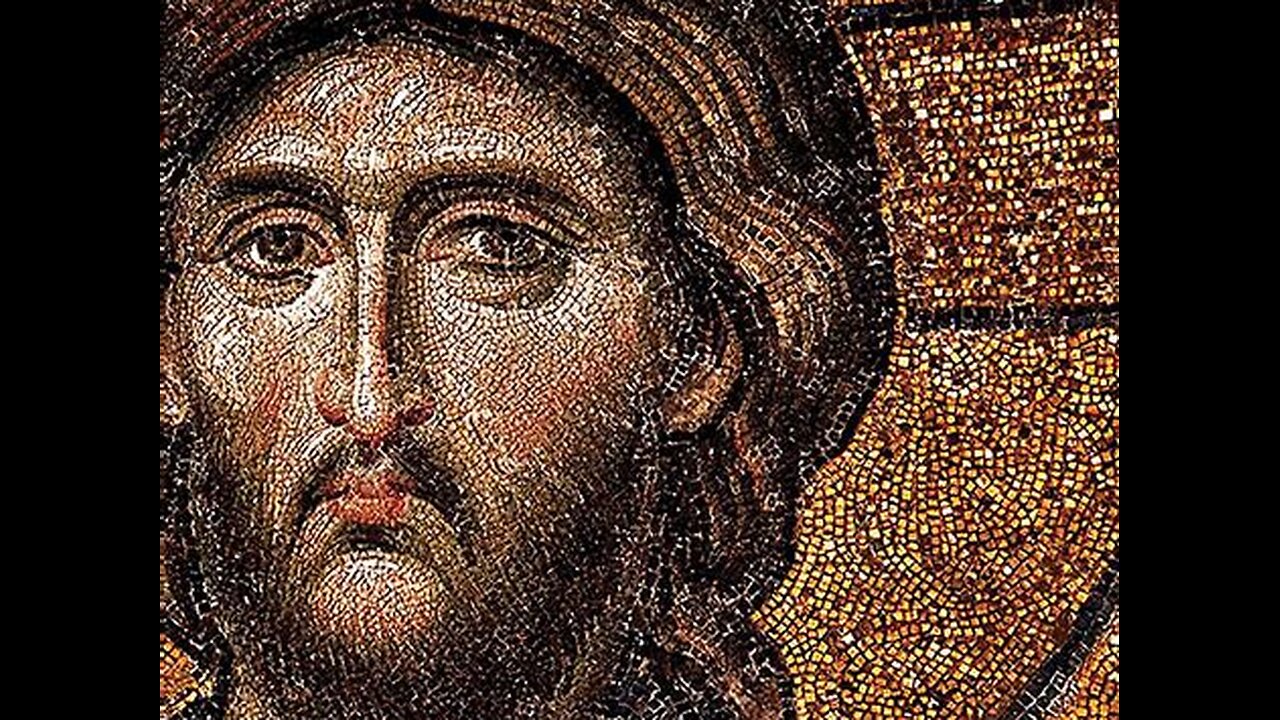
The Imitation of Christ by: Thomas à Kempis (between 1418 and 1427)
Written between 1418 and 1427, this book is a devotional handbook devoted entirely to interior transformation. Rather than discussing doctrine, debate, or grand theology, it aims at the daily discipline of mastering the self, subduing ego, and aligning one’s life with the pattern set by Christ. The book reads like a quiet voice speaking directly to the conscience... meditative, simple in language, but pointed in its demands.
Structured in short reflections, it urges the reader to withdraw from vanity, cultivate humility, and develop a steady inner life that isn’t tossed around by moods, praise, criticism, or the chaos of the world. It pushes the reader toward self-examination and away from empty intellectualism. The emphasis is always on doing... living the virtues, practicing patience, embracing simplicity, and learning the difficult art of surrendering one’s will to a higher purpose.
Above all, it focuses on the interior road, the one no one else sees, where character is shaped. It’s a guidebook for anyone who wants to be disciplined, grounded, and inwardly steady, regardless of their surroundings. No plot twists, no theatrics... just steady, practical instruction for building an inner life that holds firm.
About the Author:
Thomas à Kempis (c. 1380 - July 25, 1471) was a German-Dutch canon regular, copyist, and spiritual writer whose life revolved around discipline, contemplation, and the slow, steady refinement of the inner self. Born in Kempen near Cologne, he entered the Augustinian Canons at Mount St. Agnes in the Netherlands, a house associated with the Devotio Moderna movement... a reformist spiritual current emphasizing personal piety, humility, and practical devotion over public display or intellectual showmanship.
He spent most of his adult life in that monastery, working as a scribe, instructor, and spiritual mentor. His handwriting appears in dozens of manuscripts, including an early copy of the entire Bible produced with remarkable precision. He wasn’t a public figure, preacher, or reformer in the political sense... he was a man who preferred the quiet room, the desk, the candle, and the discipline of putting the soul in order.
His work reflects this temperament... direct, inward, stripped of ornament, and relentlessly focused on character formation. The Imitation of Christ is the best-known text attributed to him, and it remains one of the most widely read devotional books in the Christian tradition. While he was deeply embedded in a spiritual movement, there is no credible evidence that he belonged to any mystery schools, esoteric orders, or fraternal rites outside his monastic vocation.
His legacy is defined by consistency... decades of copying, teaching, guiding, and writing, all pointed toward cultivating the inner life. Through his work, he continues to speak in the same tone he lived... quietly, firmly, and always toward the goal of shaping the heart rather than impressing the world.
-
 9:59:16
Deus Meum Que Jus
7 days agoManly P. Hall Lectures - Reincarnation, Karma, & Life After Death
558 -
 23:26
23:26
MetatronHistory
2 days agois The Armchair Historian Legit?
3151 -
 1:08:29
omarelattar
17 hours agoThe BioHacking Experts: “How We Lost 150lbs, Healed Naturally & Reversed Aging in 9 Months!”
15 -
 8:05
8:05
Blabbering Collector
3 days agoNetflix Doesn’t Care About Hogwarts Legacy 2
12.2K2 -
 9:28
9:28
ThatStarWarsGirl
1 day agoSupergirl Trailer REACTION!
1.45K2 -
 3:35:36
Tundra Tactical
6 hours ago $13.45 earnedWe Interview Gaston Glock From Beyond The Grave And Ask Him About The Gen 6
137K3 -
 2:36:55
Badlands Media
20 hours agoDevolution Power Hour Ep. 415
97.9K32 -
 3:34:49
RealMetatron
4 hours agoGaming and React Night
26.4K3 -
 1:44:37
RiftTV
5 hours agoIs It OKAY to be WHITE? Elon Musk Controversy ERUPTS! | Guest: Postman | SLIGHTLY OFFENSIVE
21K9 -
 2:16:50
BlackDiamondGunsandGear
6 hours agoAfter Hours Armory / Are we getting Sued?
23.9K