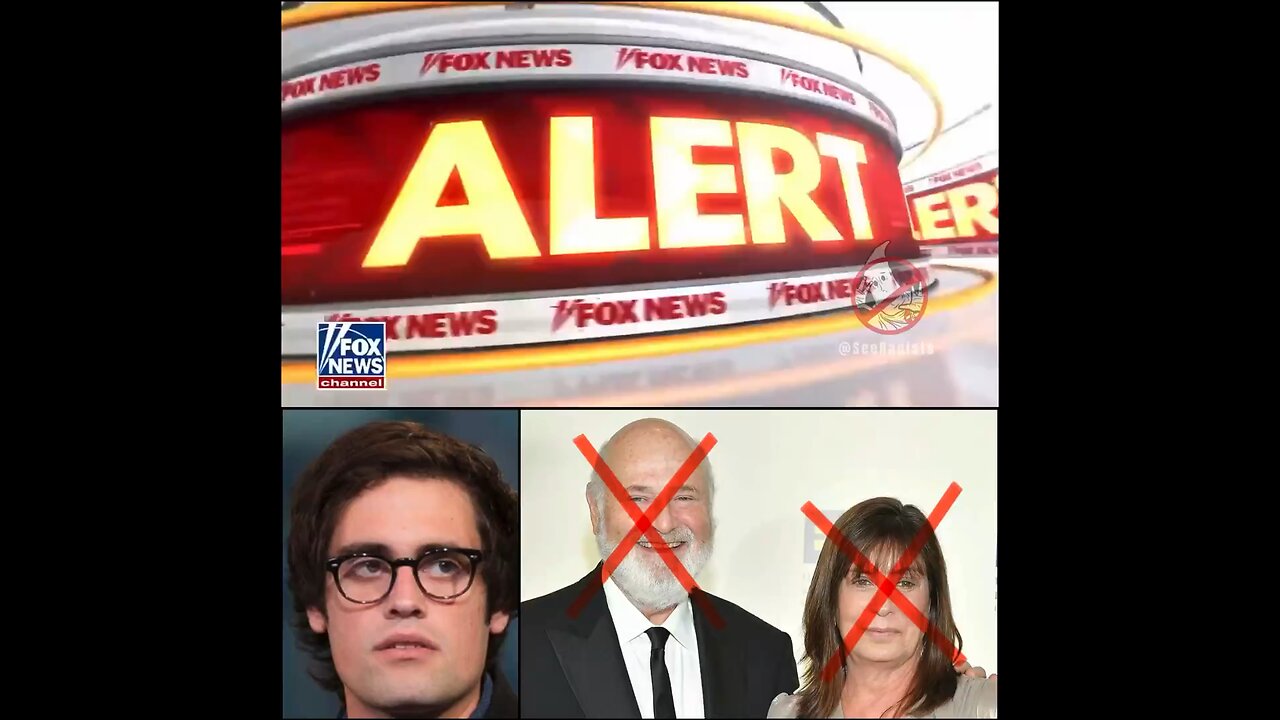
Media leaves the TRUTH OUT.
What you are noticing is deliberate omission, not ignorance.
When a statement like that is released, it is crafted to control narrative, not to convey forensic truth. The reason the manner of death is excluded is because the facts are disturbing and shatter the sanitized moral framing they want the public to absorb.
Here is the objective reality.
Multiple stab wounds are not incidental violence. They are not random. They are not quick. Forensically, stabbing is one of the most personal and emotionally charged forms of homicide. It requires proximity, sustained force, repeated motion, and intent maintained over time. Each wound represents a renewed decision to continue. Unlike a firearm discharge, which can be instantaneous, stabbing requires commitment and persistence. That is why forensic pathology classifies it as intimate violence.
When two elderly parents are stabbed to death, the implications are even clearer. This is not a burglary gone wrong. This is not accidental escalation. This is rage-driven homicide. It indicates personal animus, emotional intensity, and often a relationship or ideological fixation. The act requires the killer to remain present while the victims are conscious, defensive, bleeding, and suffering. That matters.
From a forensic standpoint, investigators look at wound count, wound location, depth, defensive injuries on hands and forearms, pattern consistency, and sequencing. These elements tell a story of how long the attack lasted, whether there were pauses, whether the assailant re-engaged after incapacitation, and whether the violence was symbolic or expressive. In cases like this, the evidence overwhelmingly points to expressive violence… violence meant to punish, erase, or dominate, not merely to kill.
So why leave it out.
Because acknowledging the brutality forces uncomfortable questions. It destroys the attempt to frame the event as abstract tragedy rather than personal evil. It invites scrutiny of motive, ideology, mental state, and relational context. It undermines the preferred posture of moral distance and curated grief.
Public statements often speak of “death” instead of “murder” and “loss” instead of “slaughter” for a reason. Language shapes perception. If the public fully internalizes that two parents were personally and repeatedly stabbed, it reframes everything. Sympathy turns to accountability. Mourning turns to demand for truth.
This pattern is not new. When violence is ideologically inconvenient or socially destabilizing, institutions soften the language. They focus on legacy, values, and abstract goodness while stripping the event of its physical reality. The blood is erased. The terror is erased. The victims’ final moments are erased.
But forensic truth does not disappear because a statement avoids it.
Two parents were not simply “lost.” They were violently, personally, and intentionally killed. That fact alone tells you more than any curated tribute ever will.
And the omission tells you just as much about the speaker as the crime tells you about the killer.
-
 23:25
23:25
MYLUNCHBREAK CHANNEL PAGE
11 hours agoTimeline Begins in 1800? - Pt 3
117K22 -
 LIVE
LIVE
Biscotti-B23
2 hours ago $0.08 earned🔴 LIVE INFINITY CASTLE TANJIRO DLC COMING SOON ⚔ DEMON SLAYER HINOKAMI CHRONICLES 2
39 watching -
 12:22
12:22
Dr. Nick Zyrowski
10 days agoHigh Dose Glutathione Treats Incurable Disease - Must See!
21.6K21 -
 LIVE
LIVE
GritsGG
6 hours agoWin Streak Camo TODAY! #1 Warzone Victory Leaderboad 875+ Ws!!🔥
141 watching -
 1:17:07
SlothSlayer
1 hour ago $0.25 earnedRetro Game Time With the Boys! Super Mario 64 Part 3
7.65K -
 21:30
21:30
Robbi On The Record
16 days ago $0.64 earnedHow to Turn Credit Card Points Into Free Flights & Hotels | ft Rachel Points
16.2K6 -

ZoomNineTails
3 hours ago⚡ LOOTING N SHOOTING! ⚡With Rocket1796 & DrakenBlaze ⚡✅ PREMIUM CREATOR ✅
4.17K -
 13:30
13:30
cybersecuritygirl
11 hours agoHow a 12-Year-Old Hacked Microsoft: Fergus Hay | Cyber Confessions
11.7K3 -
 1:57:12
Nerdcognito
1 day agoDiversity & Dragons Serves Up Some Truth! - Nerdcognito Saturday Speakeasy - 01.17.2025
2.01K -
 LIVE
LIVE
QAGamer.com
4 hours ago⛳QAGameNite | Golf With Your Friends
31 watching