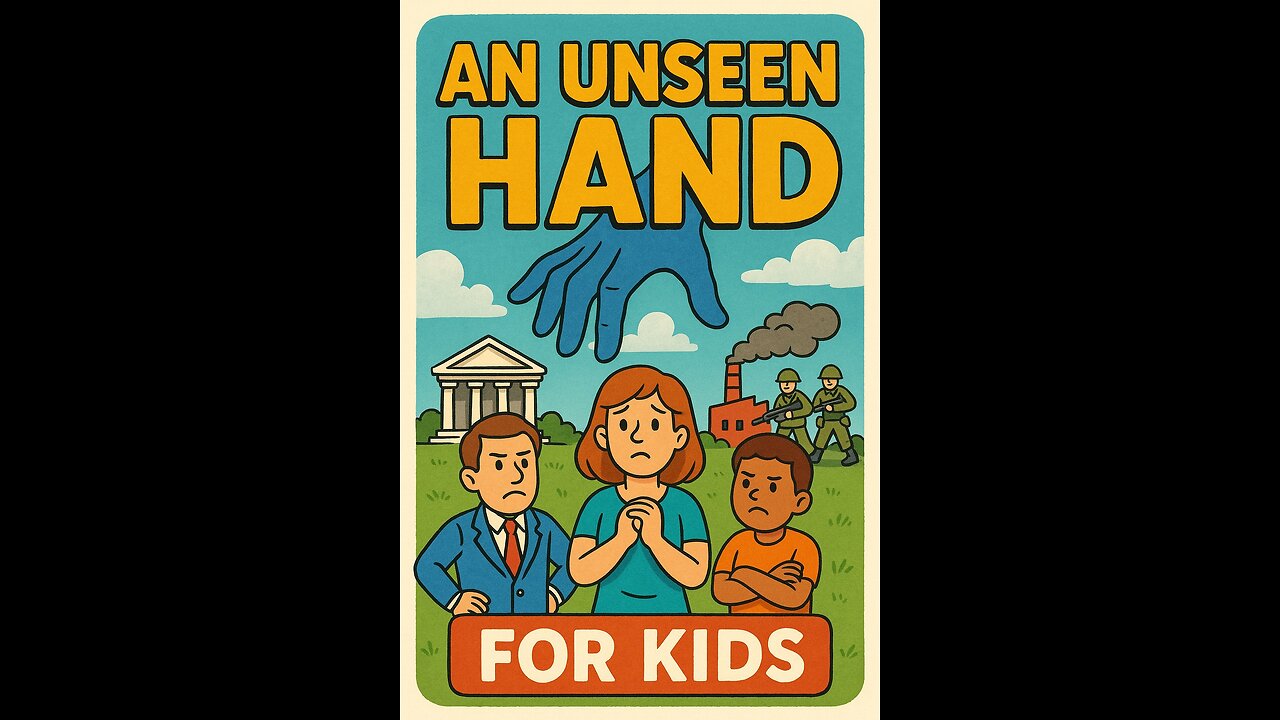
“Why Big Things Happen (Even When No One Is in Charge)”
Synchronicity (German: Synchronizität) is a concept introduced by Carl Jung, founder of analytical psychology, to describe events that coincide in time and appear meaningfully related, yet lack a discoverable causal connection.[1] Jung held that this was a healthy function of the mind, although it can become harmful within psychosis.[2][3]
Jung developed the theory as a hypothetical noncausal principle serving as the intersubjective or philosophically objective connection between these seemingly meaningful coincidences. After coining the term in the late 1920s[4] Jung developed the concept with physicist Wolfgang Pauli through correspondence and in their 1952 work The Interpretation of Nature and the Psyche.[5][6][7][8] This culminated in the Pauli–Jung conjecture.[9][10][11][12][13] Jung and Pauli's view was that, just as causal connections can provide a meaningful understanding of the psyche and the world, so too may acausal connections.[14]
A 2016 study found 70% of therapists agreed synchronicity experiences could be useful for therapy. Analytical psychologists hold that individuals must understand the compensatory meaning of these experiences to "enhance consciousness rather than merely build up superstitiousness". However, clients who disclose synchronicity experiences report not being listened to, accepted, or understood. The experience of overabundance of meaningful coincidences can be characteristic of schizophrenic delusion.[15]
Jung used synchronicity in arguing for the existence of the paranormal.[16] This idea was explored by Arthur Koestler in The Roots of Coincidence[17] and taken up by the New Age movement. Unlike magical thinking, which believes causally unrelated events to have paranormal causal connection, synchronicity supposes events may be causally unrelated yet have unknown noncausal connection.
-
 12:51
12:51
DYSTOPIA USA
9 days agoAmerica First Global Health: Ending the Welfare State Abroad
21 -
 1:06:11
Inverted World Live
10 hours agoA Ghost Ship in Washington, A Fire in Roswell | Ep. 155
61.7K4 -
 3:06:55
TimcastIRL
6 hours agoDan Bongino To RESIGN, Trump Addresses The Nation
334K416 -
 2:14:08
Barry Cunningham
6 hours agoLIVE BREAKING NEWS: President Trump Addresses The Nation! And More News!
50.4K19 -
 LIVE
LIVE
ThatStarWarsGirl
8 hours agoTSWG LIVE: Discussing STAR WARS News with Special Guest Star Wars Theory!
939 watching -
 2:42:40
Laura Loomer
6 hours agoEP162: LIVE: President Trump Addresses The Nation
52.1K26 -
 1:32:05
Adam Does Movies
11 hours ago $4.99 earnedRob Reiner Films + Movie News + AMA - Live!
26.1K1 -
 47:57
47:57
Professor Nez
10 hours ago🚨LIVE NOW: President Trump Addresses the Nation from the Oval Office
32.3K33 -
 28:17
28:17
The White House
6 hours agoPresident Trump Delivers an Address to the Nation
79.4K127 -
 4:44:53
Drew Hernandez
23 hours agoTRUMP ADDRESSES THE NATION & BONGINO ANNOUNCES FBI DEPARTURE?
59.4K22