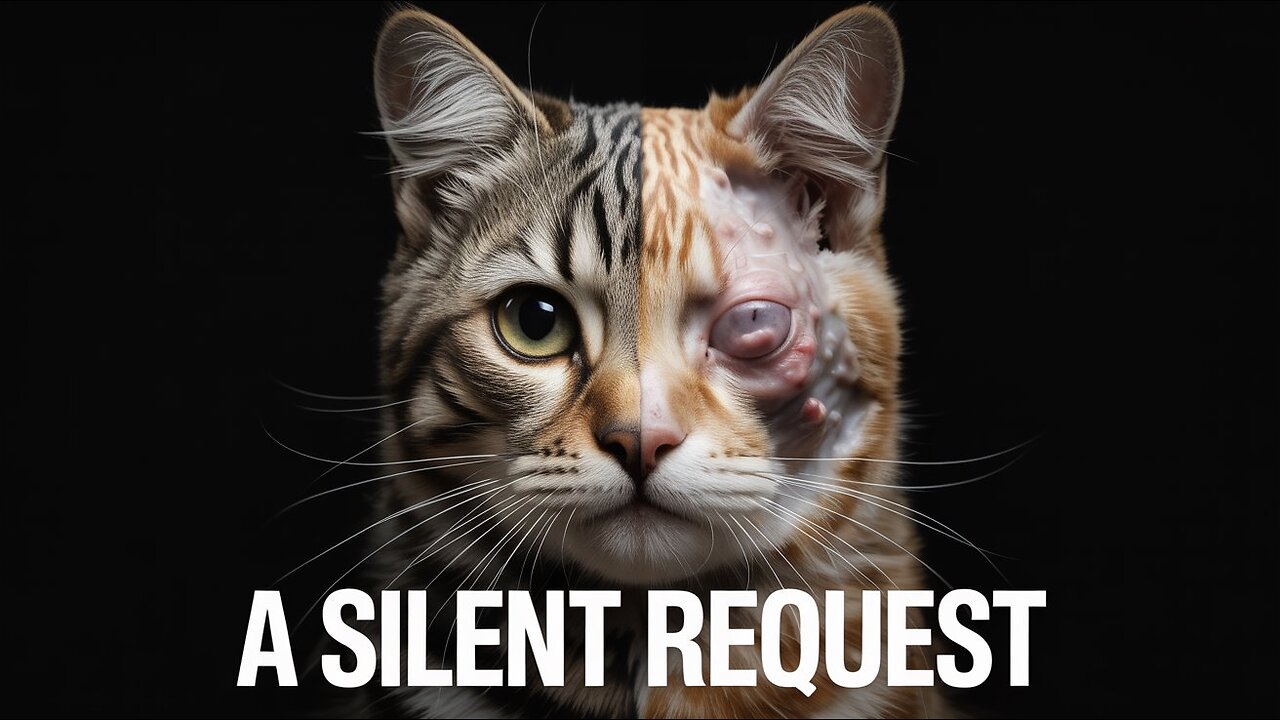
Hair Loss in Cats: A Warning You're Ignoring.
Hair Loss in Cats: A Warning You're Ignoring.
Have you ever noticed your cat scratching incessantly, or perhaps your furry friend seems to be shedding more than usual? What if I told you that hair loss in cats could be more than just a grooming nuisance it could signal a serious health issue lurking underneath? It’s easy to shrug it off, but ignoring these signs could lead to drastic consequences for your beloved companion. Today, let’s delve into the surprising world of feline hair loss and uncover the hidden dangers that you might not want to face.
First, consider this: did you know that a cat can lose its hair due to stress? Yes, that’s right! Just like us, cats are emotional creatures. They can suffer from anxiety, whether due to moving to a new house, the arrival of a new pet, or even changes in the household routine. When stress becomes overwhelming, it manifests physically. Cats may start to groom excessively, leading to bald patches and irritated skin. Imagine your once-playful kitty, now losing patches of fur due to anxiety. It’s heartbreaking to think that a little stress could lead to such significant changes.
But hold on! That's just the tip of the iceberg. Hair loss, or alopecia, can also indicate underlying medical conditions like allergies or parasites. Cats can be allergic to anything from food to dust mites, and these reactions often result in intense itching and subsequent fur loss. Have you ever seen your cat scratching like they’re on fire? If you don’t explore the root cause, you could easily mistake it for mere seasonal shedding. And speaking of parasites, fleas, ticks, and mites can wreak havoc on your cat’s coat. These tiny intruders not only cause hair loss but can also lead to severe skin infections!
Let’s raise the stakes a little more. Did you know that certain types of cancer can also present as hair loss in cats? It might sound alarming, but it’s true! Conditions like lymphoma can cause cats to lose their fur while also exhibiting other symptoms like weight loss, vomiting, and lethargy. When your cat starts showing these signs, it’s time to pay heed. This unexpected twist in the narrative could be the difference between early detection and a possible health crisis.
Now, let’s not forget about Fluffy’s diet. A poor diet can lead to nutritional deficiencies, directly affecting your cat’s skin and coat health. If your cat is on a diet lacking essential nutrients, you could be looking at a very different kind of hair loss. It’s crucial to understand that what you feed your feline friend plays a pivotal role in their overall well-being. What’s on your kitty’s menu?
Speaking of diets, have you considered supplements? Omega-3 fatty acids are known to promote healthy skin and coat. If your cat is already dealing with hair loss, introducing these into their diet may work wonders. It’s incredible how a small adjustment can make a big difference.
And now, we hit a whisper of mystery. Did you know some breeds are more prone to hair loss than others? For instance, Sphynx cats are known for their lack of fur, while others might suffer from issues like feline psychogenic alopecia, a condition where the cat pulls out its hair due to emotional distress. In essence, understanding your cat’s breed can help you anticipate and prevent possible hair loss issues.
So, here’s the million-dollar question: Are you really paying attention to the signs? Your cat’s grooming habits and coat condition could reveal secrets about their happiness and health. Ignoring these could lead to missed opportunities for intervention or treatment.
In conclusion, hair loss in cats isn't merely a cosmetic issue; it’s a window into their overall health. Whether it’s stress, allergies, parasites, cancer, or diet, each aspect deserves your attention. Be proactive in addressing these issues, and your cat will thank you with purrs, playful antics, and a luxurious coat. So, next time you notice those stray tufts of fur on your couch, don’t just brush it off use it as a cue for your cat’s well-being. After all, a healthy cat is a happy cat!
-
 28:50
28:50
cyphertank
1 day agoCYPHER TANK S01E02
25.4K6 -
 LIVE
LIVE
GrimmHollywood
6 hours ago🔴LIVE • GRIMM HOLLYWOOD • BRRRAP PACK • RETURN TO HIGHGUARD + NEW INDIE VIRAL GAME •
106 watching -
 LIVE
LIVE
GritsGG
4 hours ago#1 Warzone Victory Leaderboard 1280+ Ws!!🔥
138 watching -

NewGenTV_Official
5 hours ago02/07/26 | Random Games! Need a Graphic Designer!
14.3K2 -
 46:59
46:59
The Why Files
1 day agoProject Anchor: NASA's Secret Gravity Shutdown Program
68.8K87 -
 2:12:16
sim_n_shift
3 hours ago $0.70 earnedHogwarts Legacy: Learned the Hard Way ep2
13.6K -
 2:21:23
OrgoCorgo
4 hours ago $0.37 earnedDragon Quest VII Re-imagined: A remake of one of my favorite games of all time? Yes, please
12.8K -
 3:48
3:48
RidiculousRides
1 day ago $2.28 earnedThe World’s Most Expensive Motorhome: Inside The $3M Marchi Element SV
26.1K10 -
 2:29:03
Charlotte Winslow
2 hours agoMidna plays Legend of Zelda: Twilight Princess at City in the Sky! with Voice Acting
8.23K -
 14:48
14:48
WhatCulture - Film
4 days ago $2.13 earned10 Movies That Just Got Cancelled
21.6K4