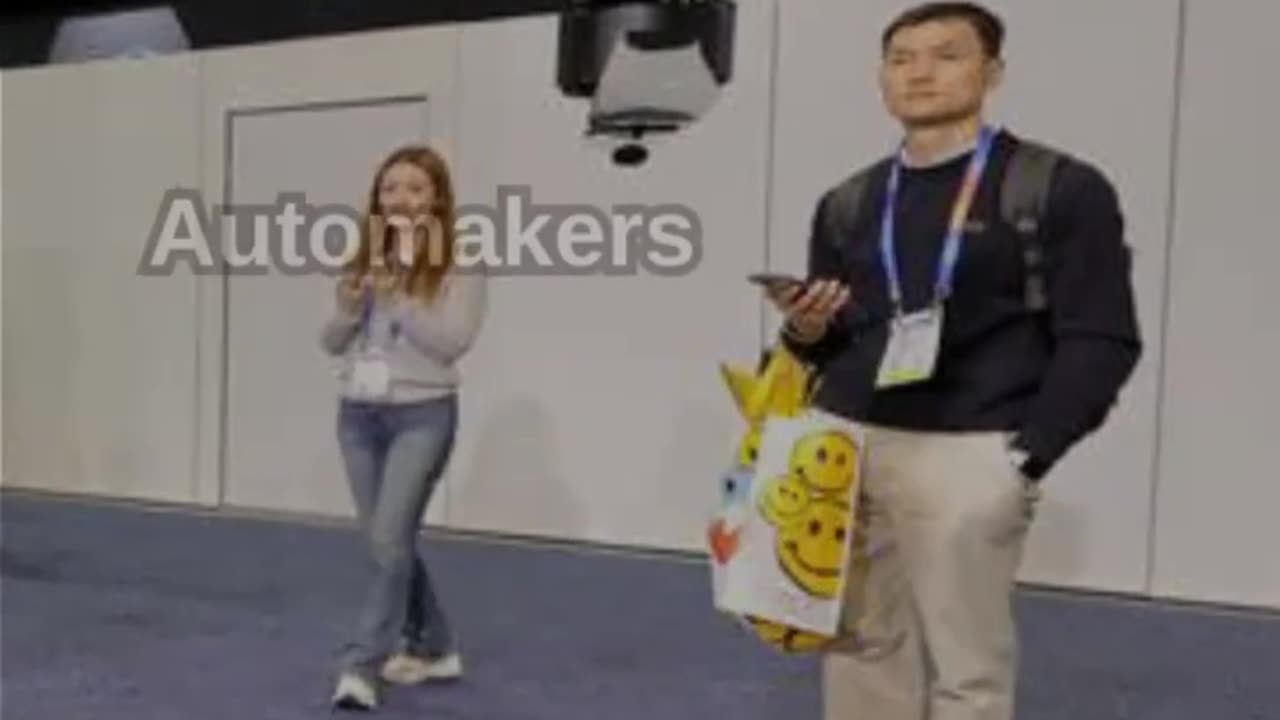
Self-Driving Tech and AI Dominate CES as Automaker
At this year’s Consumer Electronics Show (CES), the spotlight has shifted decisively from electric vehicles to self-driving technology and artificial intelligence, signaling a strategic pivot by automakers facing slowing EV demand and intensifying competition. While electrification remains a long-term priority, carmakers are increasingly emphasizing software, autonomy, and AI-powered features as the next major battleground for innovation and profitability.
Go here to find out what tools we are using each day to be successful in our business.
https://versaaihub.com/resources/
https://versaaihub.com/media-and-entertainment/
https://www.instagram.com/versaaihub/
https://x.com/VersaAIHub
https://www.youtube.com/@VideoProgressions
https://www.youtube.com/@MetaDiskFinancial
Exhibits across CES showcased advanced driver-assistance systems (ADAS), hands-free highway driving solutions, and next-generation autonomous platforms designed to move vehicles closer to full self-driving capabilities. Automakers and suppliers highlighted AI-driven perception systems that combine cameras, radar, and lidar to improve safety, decision-making, and real-time responsiveness. These systems aim to reduce accidents, enhance driver comfort, and eventually enable vehicles to operate with minimal human intervention.
Artificial intelligence also took center stage inside the cabin. Car companies demonstrated AI-powered voice assistants, personalized infotainment, and smart dashboards that learn driver preferences over time. By leveraging generative AI and machine learning, vehicles are becoming more like connected digital devices, capable of proactive suggestions, adaptive climate control, and seamless integration with smartphones and smart homes. This software-first approach allows automakers to differentiate their vehicles beyond hardware alone.
The shift in focus reflects broader market realities. Global EV sales growth has moderated, infrastructure challenges persist, and price competition has squeezed margins. In response, automakers are turning to AI and autonomy as new revenue drivers, often delivered through software subscriptions and over-the-air updates. This model promises recurring income and longer customer engagement compared to one-time vehicle sales.
Technology companies and chipmakers also played a major role at CES, underscoring the growing convergence of automotive and tech industries. Partnerships between automakers and AI specialists are accelerating, as vehicles increasingly rely on high-performance computing and data processing. Autonomous driving, once a distant goal, is now framed as an incremental journey powered by continuous AI improvements rather than a single breakthrough.
Despite the excitement, challenges remain. Regulatory uncertainty, safety concerns, and public trust continue to shape the pace of self-driving adoption. Still, the strong presence of autonomous and AI technologies at CES suggests that the future of mobility will be defined as much by software and intelligence as by batteries and motors.
As automakers recalibrate their strategies, CES has made one thing clear: the race is no longer just about going electric, but about building smarter, AI-driven vehicles that redefine how people interact with transportation.
Go here to find out what tools we are using each day to be successful in our business.
https://versaaihub.com/resources/
https://versaaihub.com/media-and-entertainment/
https://www.instagram.com/versaaihub/
https://x.com/VersaAIHub
https://www.youtube.com/@VideoProgressions
https://www.youtube.com/@MetaDiskFinancial
#CES #SelfDrivingTech #AutomotiveAI #AutonomousVehicles #FutureOfMobility #AICars #SmartVehicles #AutoInnovation #TechAtCES #ConnectedCars #ADAS #AIInAutomotive #MobilityTech #CarTechnology #FutureOfCars #AutoTrends #DigitalVehicles #VehicleSoftware #TransportationTech #AIRevolution
-
 0:59
0:59
WFH University
23 hours agoAI-Driven Cars: The Future of Driving
25 -
 LIVE
LIVE
Crypto Power Hour
12 hours ago $1.41 earnedCrypto Heist Bombshell: $40+ Million Stolen From Uncle Sam
866 watching -
 24:43
24:43
Jasmin Laine
14 hours agoTrump Team CALLS OUT Carney on Fox—Poilievre FACT-CHECKS Liberals Into SILENCE
12.3K15 -
 6:59
6:59
Gun Owners Of America
18 hours agoBBC Reporters Get Schooled On The Second Amendment
5.3K2 -
 29:46
29:46
Brad Owen Poker
22 hours ago $0.63 earnedI Hit QUADS, FULL HOUSES, And FLUSHES! WILD Player Falls For TRAP & OVERBETS HUGE! Poker Vlog Ep 363
5.14K1 -
 LIVE
LIVE
BEK TV
23 hours agoTrent Loos in the Morning - 1/28/2026
123 watching -
 18:04
18:04
Actual Justice Warrior
14 hours agoWoman Says Black Girl Magic Means She Can STEAL Mansion
51.1K25 -
 19:54
19:54
Code Blue Cam
21 hours agoPolice Chase Ends in the Worst Crash Ever
15.7K3 -
 47:07
47:07
Coin Stories with Natalie Brunell
21 hours agoDr. Shawn Baker: How Big Food, Big Pharma & Bad Money Made America Sick
21.4K5 -
 1:58:50
MG Show
20 hours agoTrump's Calls Walz & Frey – Homan Leads, Local Law Enforcement Crushes Agitators
20.4K19