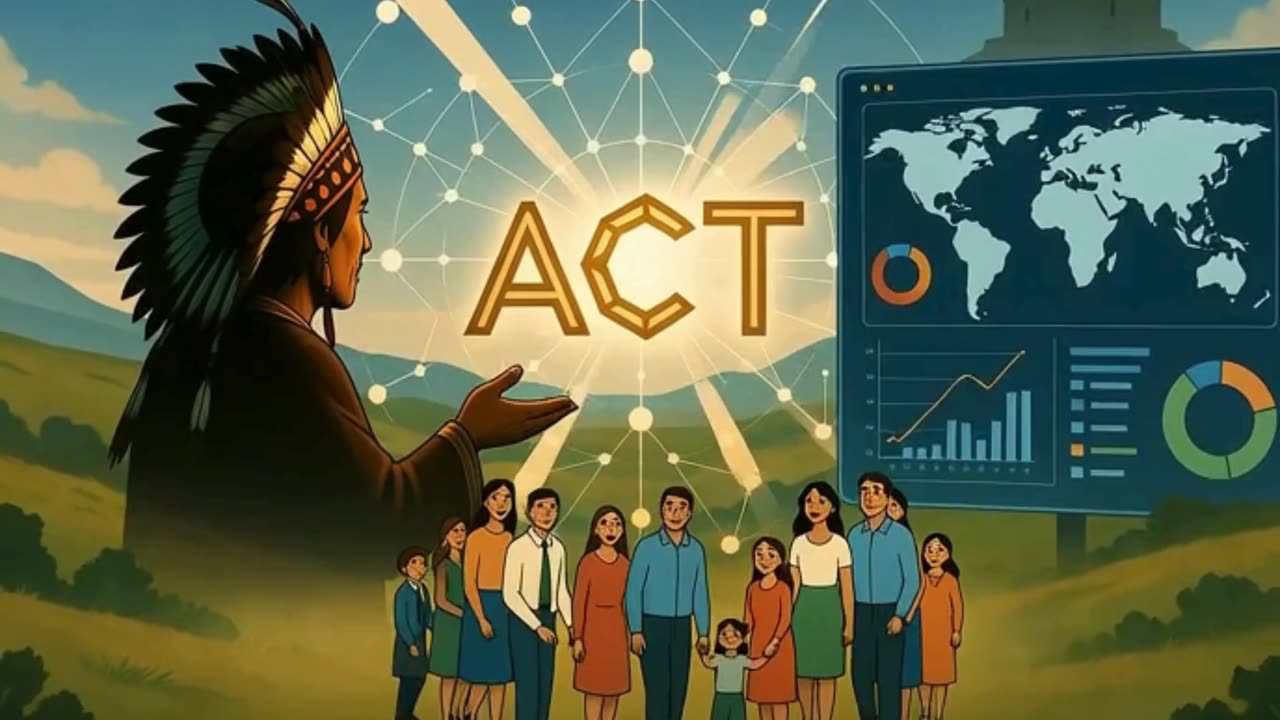
The Clans & Families Pre-Conception Act podcast.
Preconception Rights and Scotland’s Future
[ Transcript ]
To regard some pretty big questions about history, family, and what it means to actually protect the next generation.
So let’s dive straight in.
With oversight of centuries of clan suppression, forced removals, the erasure of languages. It sounds primordial almost medieval, but then you realize, right up till now, so-called “care-cartel” systems have ripped apart up to 1.2 million children from their families in Scotland.
That’s not ancient history; that’s wounds carried right through today, with billions in harm tallied—not just stories, but cold hard data.Yeah, totally, mate. And it’s even messier when you hear it framed the way this Act does.
It’s not just talking about the families here today, but the ones yet to come—the “unborn,” right?
Scotland’s security is tied to those future kids, future clans, because clan, in the original Gaelic, literally means “children.” And that idea—clan as new growth, continuity—it’s wild how it goes for both trees and people! A hundred years as infancy for a tree?
Gives you a whole new angle on planning for the long term. Makes me wonder how we, you know, judge a civilization. If how you treat your children is the gold standard, there’s a lot riding on what this Act tries to fix.I keep thinking about that, “we judge a civilization by the way it treats its children.”
It’s one thing to say, but another to actually measure up to it institutionally, right?
When you realize that not only did past laws disappear entire communities, modern “systems” kept the hurt going, just dressed up in algorithms, paperwork, and budgets.
I honestly had this moment—bit embarrassing maybe—looking at old family records, thinking: these laws aren’t just about looking backwards with regret, they’re about planting something that can’t be dug up again a generation or two down the line.
It’s a lot to take in, but I hope folks stick with us as we pull these threads together.
Yeah, let’s break down how the Act tries to build safeguards. It's dead-set on blocking automated systems—algorithms, black boxes, whatever you wanna call them—from separating families unless there's actual, transparent harm measured. It uses this thing called an HP score, meaning Harm Potential.
No family can be split up unless that score’s over 0.25. So, I mean, the days of a family being broken up on computerized guesswork or bias in the system?
Gone. And any contract—adoption orders, care plans—if it came out of one of those dodgy processes, it’s voidable from the get-go. Throw it out!Exactly.
I really note the way they flip the burden with the “Universal Obligated Responder” idea.
It pins accountability to everyone in the system: from social workers and judges, all the way up to the public.
So if a family gets wrongly flagged by a biased algorithm, there aren’t just a hundred little steps and dead ends—institutions are on the hook, financially and democratically.
And ordinary folks have a say, not just the experts in the back rooms.
Oversight is baked in.It’s all mapped out, picture a case where common algorithm wrongly flags a family. Under the old way, the family gets drawn in, stress piles on, and the “removal incentive” kicks in for the agency. But with the Act, no HP evidence, no action.
The whole thing is cut off at the knees. Even a kangaroo could wrap its head around this, once you see the flowchart! And honestly, that’s how it should work—if you’re gonna mess with a clan, you better have more than a hunch.
So if you’re starting to see a trend here, it’s that the Act goes beyond “stop doing harm” and leans into generational justice. It’s a full-court press for universal housing rights for families and clans—OK, £21-22 billion is reallocated for housing, which is… enormous! There are preconception and parenting allowances, protections for pregnant people against eviction, even diaspora rights—meaning families who ended up overseas have return rights and explicit protections.
Yeah, and what blows my mind, is language and culture aren’t side notes—they’re protected too! Non-mainstream traditions or languages?
They can’t be counted against you. You could speak only Gaelic at home, live in a multi-gen setup, have your grandmother as chief—that can’t be spun as risky by the system.
One listener—this was a while back—called in, said as a Scottish-Aussie living in Melbourne, he actually felt hope that if he came back to Scotland with his family, their culture and rights would be protected.
To have those return rights, even across borders, that’s huge for solidarity. And it isn’t just about Scotland—this echoes to all places where families are under pressure to give up their roots to fit in.
That’s it—what you’re describing is a kind of global clanship. If it works in Scotland, it’s got ripple effects, right?
The Act basically says you matter, your roots matter, and your kids have a right to belong, wherever you are. That’s generational justice in action.#
Let’s talk about who actually gets to make the calls. The Act says, local folks—families, clan reps, and community leaders—lead councils overseeing how policies kick in locally. It's not some distant bureaucracy.
Anyone can join a town hall or digital forum, so you don’t need to be an expert to chime in. I reckon it really puts power back into communities.Right.
And not just to vent, but to actually shape reforms.
Plus, the Act is big on regular, accessible trainings and outreach—so families know their rights and feel like they can advocate, not just “make do” if something goes wrong.
Institutions are on the clock to educate, which means people can challenge stuff in real time, and hold the system accountable with more than just paperwork.
Cultural stuff can sound soft, but here, it’s locked in with dedicated funding, not just nice words. Money flows directly to programs for language, traditional practices—think festivals, community storytelling events, the works.Spot on.
Schools and universities get brought in too—so it’s not just a painting on a wall somewhere, it’s kids learning clan histories, languages, and stories.
I reckon the Act pushes for community-led festivals and those “let’s all have a yarn” events to keep heritage alive.
It’s not only with respectful nostalgia, it’s about living culture—and making sure every new gen is proud of where they came from.If you don’t fund it, you lose it.
The Act’s super practical about this—funding, curriculum partnerships, actual cultural events. Sustained effort, not just a tick-box.So, I’m gonna try not to tangle myself up here—Basically, Scotland wants to go global with this.
The Act is expressing, “Here's our template. If you’re another country facing care-cartel stuff, use it.” They want exportable legal reforms, and to set up international alliances, especially for Scottish families living abroad and kinship nations across Europe and beyond.
And it means real partnerships—global forums, sharing best practices, even pooling resources.
Diaspora organizations, advocacy groups—everybody can jump in and contribute.
And they’re organizing international summits to get this out there into the global conversation.
I mean, from reclaiming family protections to preserving culture and language—that’s something any community facing similar risks in, say, Australia or Canada or wherever, could borrow from.
Here's where it gets really “show your work.” The Act makes a big deal about monitoring—socio-economic stats, stability, language use—real metrics, not just claims of “success.” We can also set up independent oversight bodies, not just government insiders but real community reps, social scientists, legal folks.
These groups audit, report, recommend improvements, and basically keep the pressure on.All of that goes on public dashboards too!
So, anyone can look up real progress—housing, family separation rates, complaints, you name it. It’s about keeping things open so trust can start building again, after all the secrecy of the past.
Honestly, it is kinda watching a footy game where the scoreboard’s visible—no hiding dodgy plays.
If something’s off, the wider clan and public can spot it fast.
Now, I’d love to say “sorted, dusted, done,” but there’s no way it’ll be that smooth.
The Act’s up front about that—expecting legal pushback, opposition groups, maybe even problems with new tech or algorithms acting up.
So, it bakes in adaptation: policy reviews, special task forces for emerging issues, and room to revise strategies if real life throws a spanner in the works.Absolutely.
The Act’s built for feedback loops—so communities can flag new problems, and policies aren’t set in stone.
Splitting up families “just because that’s the way it's been done” is now totally off the table, but, yeah, keeping vigilant will be a lifelong project.
It’s a living law, not a museum piece.Here's another angle—resilience as an actual practice, not just a word thrown around on government pamphlets.
Multilingual, accessible learning, workshops, storytelling—those aren’t just nice-to-haves.
The Act insists communities themselves craft this stuff, especially with young people, and Scotland even partners with international orgs to create digital archives—preserving, archiving, celebrating.
Sounds simple, but it’s about future-proofing the full picture of what it means to belong.And it makes sense—if you’ve got that sense of continuity and language, kids know who they are and what’s been survived.
Storytelling, clan workshops, digital history—no more “your heritage is just grandma’s accent.” It’s living, breathing, and protected with teeth in the law.It’d be a classic government move to drop a new law and run, but here the Act sets clear targets and a task force to check whether housing, language, and family strength are actually getting better. And if they’re not, the law pushes for international partnerships to share what works.
The hope’s to spark a global clan—sort of a network—so best practices in one place can help everywhere.It’s got accountability as the engine, not as an afterthought.
Adapting the Scottish model in other countries isn’t just encouraged—it’s structured so that if a community in, I don’t know, Nova Scotia or Newcastle finds something that works, everyone learns.
That’s how you build a movement, not just a policy.Long-term tracking is sort of the secret sauce here.
The Act mandates major studies—annual, 5-year, 10-year, you name it—tracking everything from family stability to community cohesion, how many kids know their language, how families feel about their place.
And there are feedback loops—surveys, boards, digital check-ins—so actual families, not just researchers, get to shape the adjustments.
And there’s this dynamic review board—if the data or people in the community say “something’s off,” they don’t just tick a box—they actually change course.
So you’re not just building law, you’re building a system that re-adjusts, learns, gets better.
Feels like a real shot at sustaining progress, not just launching and watching it fizzle.
Let’s not skirt past the money—none of this works without proper funding.
So there’s a specific fund for clan and cultural projects, not just general spending. Groups can go for grants through a transparent process, with proper oversight—no brown envelope business here.
Partnerships with businesses and international donors allowed, but again, everything’s tracked by the community, not just a committee.
And those funds aren’t just for glitzy events, they support big-picture stuff—cultural education, restoring traditions, even large-scale housing projects that recognize family structure, not just headcount. It’s all aimed at long-term survival, both cultural and material.
That’s the real futureproofing.And that wraps us for today. Next episode we’re going to dig even deeper into some of the practical challenges for implementation, but I reckon today we’ve covered loads.
Thanks everyone for tuning in—keep digging, keep questioning, and we’ll see you next time as this journey for generational justice rolls on.
Take care, folks.
-
![[Ep 833] Trump’s Art of the Deal Strikes Again! | Put Left on Blast for Defending Criminals](https://1a-1791.com/video/fwe2/31/s8/1/s/a/p/U/sapUz.0kob-small-Ep-833-Trumps-Art-of-the-De.jpg) LIVE
LIVE
The Nunn Report - w/ Dan Nunn
1 hour ago[Ep 833] Trump’s Art of the Deal Strikes Again! | Put Left on Blast for Defending Criminals
134 watching -
 LIVE
LIVE
The HotSeat With Todd Spears
58 minutes agoEP 241: Protection? Is it up to us NOW??
729 watching -
 1:32:28
The Quartering
3 hours agoAlex Pretti ATTACKED ICE Just 1 Week Before Shooting, The World Is Blackpilling, Psycho Nurse FAFO
104K75 -
 LIVE
LIVE
Barry Cunningham
2 hours agoLIVE BREAKING NEWS: President Trump Hosts A Rally In Iowa January 27, 2026 | and More News!
1,715 watching -
 1:02:27
DeVory Darkins
3 hours agoTim Walz SUFFERS DEFEAT Deploys state police after violent protests reach breaking point
123K67 -
 26:09
26:09
Liberty Vault
21 hours agoTucker Carlson and Peter Schiff EXPOSE Government Lies About Inflation and DEBT
3.27K2 -
 52:22
52:22
The Sam Hyde Show
5 hours agoJesse Lee Peterson on "Plantation Values" | THE SAM HYDE SHOW #16
3.22K1 -
 1:00:54
Timcast
4 hours agoDemocrats EXPAND Insurgency To more States As Trump SURRENDERS Minnesota
151K153 -
 1:58:17
Steven Crowder
7 hours agoIs Trump Backing Down or Doubling Down in Minnesota: Special Guest Nick Sortor
530K363 -
 2:15:43
Side Scrollers Podcast
5 hours agoSide Scrollers Podcast Live | Tuesday January 27th 2026
24.8K4