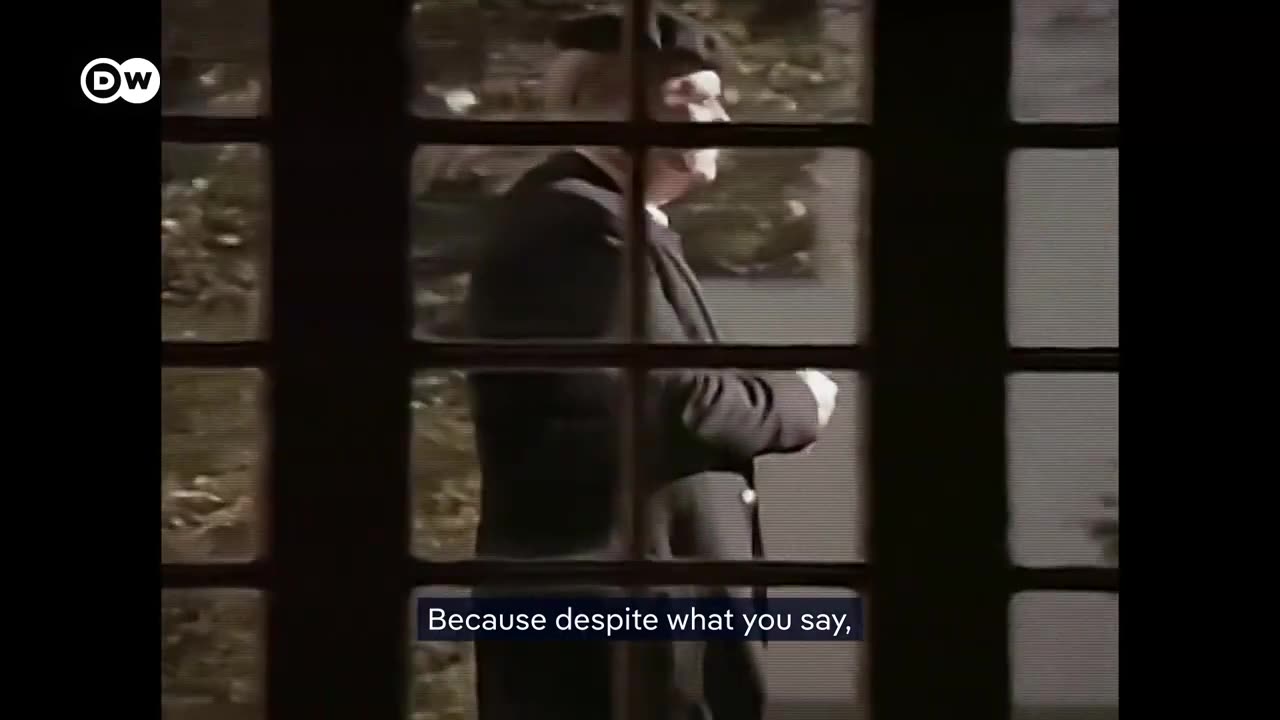
Dictators, drugs, discord Operation Condor: Part 2 U.S. Military Assets
Operation Condor: Part 2 U.S. Military Assets
Nearly all of Latin America’s crises have been shaped by the United States. In the 1980s, the US supported anti-communist forces in Nicaragua and the controversial strongman Manuel Noriega in Panama.
In the early 1980s, Panama avoided a civil war, but a shadowy figure came to power: Manuel Noriega, a long-time CIA agent and protégé of the United States. His main opponent, guerrilla leader Hugo Spadafora, accused Noriega of drug trafficking. In 1988, the US Department of Justice in Florida brought charges against Noriega, including for his links to Pablo Escobar's Medellín cartel. Noriega refused to step down, which led to the US invasion of Panama and his arrest.
In Nicaragua, the Sandinistas introduced sweeping reforms after coming to power in 1979. Fearing the spread of a socialist revolution in Central America, the United States armed counter-revolutionary militias known as the Contras. A brutal guerrilla war followed.
In Chile, ruler Augusto Pinochet faced growing opposition. In a 1988 referendum, the United States supported the democratic opposition through its ambassador, Harry Barnes. Pinochet was subsequently forced to step down.
But another crisis was already unfolding: in 1989, the economic crisis in Venezuela, a traditional ally of the United States, reached its peak. Unrest broke out and was violently suppressed by the army.
Operation Condor was started to lead the American society into the North American Union. Educate yourself now. Eliminate the Constitution-Free Zone.
Join the Weekly Video Call
constitutionhelp.com
-
 1:13:01
James Corbett: How to End the Fed
6 months agoA Bible Story: The Jewish Moneychangers in the West
6721 -
 1:33:33
Benny Johnson
2 hours ago🚨BOMBSHELL: Whistleblower REVEALS Tim Walz Knew of Somali Fraud, Judge Protecting Don Lemon EXPOSED
56.6K59 -
 LIVE
LIVE
The Shannon Joy Show
3 hours ago🔥SJ LIVE Jan 23 - Friday Midday Matinee With SJ! Featuring Documentary “An Inconvenient Study”🔥
176 watching -
 LIVE
LIVE
NXRStudios
1 hour agoAmerica: Nation or Empire?
102 watching -
 12:09
12:09
Degenerate Jay
3 hours agoRockstar Actually Did Something Amazing With GTA 6
2.18K4 -
 LIVE
LIVE
Trumpet Daily
57 minutes agoTrumpet Daily LIVE | Jan. 23, 2026
164 watching -
 17:09
17:09
Grant Stinchfield
1 hour agoWhy You Can’t Trust Government Economic Statistics Anymore
1.12K -
 1:05:43
Graham Allen
4 hours agoChurch Terrorists ARRESTED, Don Lemon is Shaking + Candace Planning an Erika Kirk Documentary?
147K631 -
 2:01:31
Badlands Media
8 hours agoBadlands Daily: 1/23/26
42.9K13 -
 1:33:58
Caleb Hammer
3 hours agoThe $770,000 Boob Job | Financial Audit
18.2K1