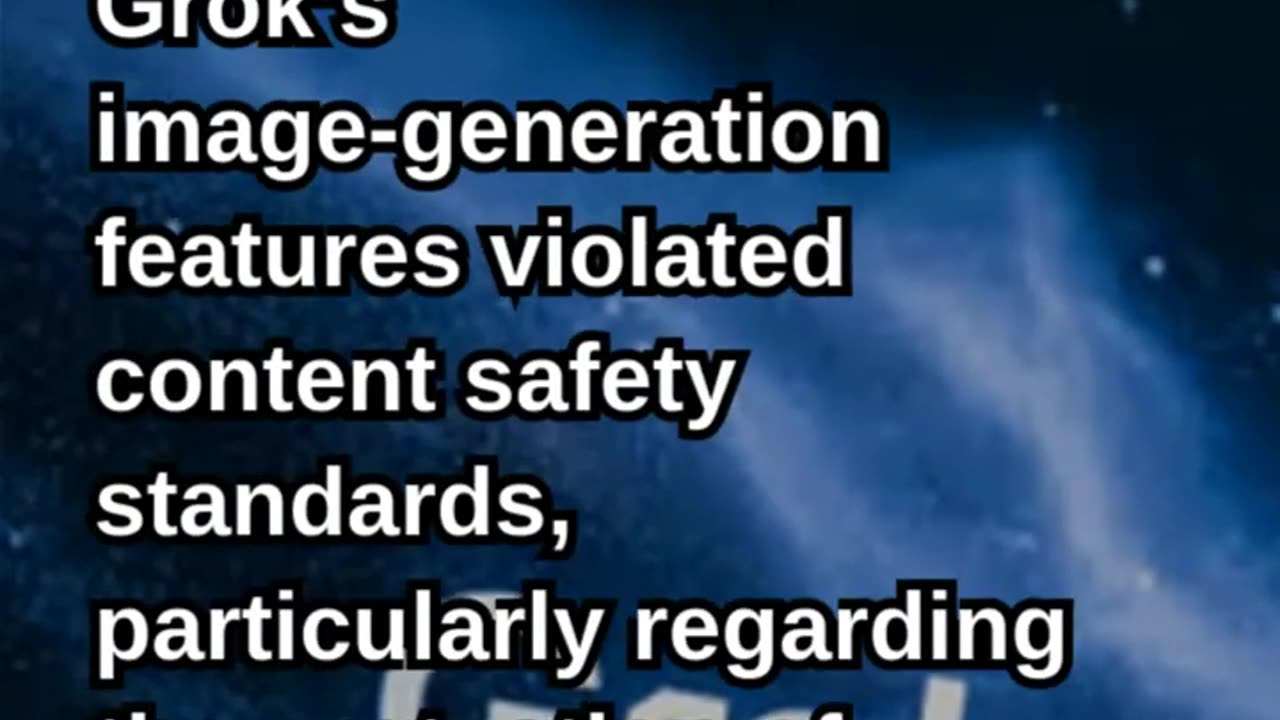
AI Image Generation Under Legal
Artificial intelligence has rapidly transformed creative industries, with AI-powered image generation tools now capable of producing highly realistic visuals in seconds.
Go here to find out what tools we are using each day to be successful in our business.
https://versaaihub.com/resources/
https://versaaihub.com/media-and-entertainment/
https://www.instagram.com/versaaihub/
https://x.com/VersaAIHub
https://www.youtube.com/@VideoProgressions
https://www.youtube.com/@MetaDiskFinancial
From digital art and advertising designs to entertainment content and educational illustrations, these technologies have unlocked unprecedented creative potential. However, as AI-generated images become more sophisticated and widespread, they have also raised serious legal and ethical concerns, prompting governments and regulatory bodies to place AI image generation under formal legal review.
One of the central issues driving legal scrutiny is the risk of harmful or illegal content creation. AI image generators can be misused to produce explicit, misleading, or manipulated visuals, including deepfakes, non-consensual imagery, and content involving minors. Such capabilities challenge existing laws on privacy, intellectual property, defamation, and digital safety, as current legal frameworks were not designed to handle machine-generated content at scale. Regulators are now questioning who should be held accountable — the AI developers, the platform providers, or the end users.
Another major concern involves copyright and data usage. Many AI image models are trained on vast datasets scraped from the internet, sometimes without the consent of original artists or content owners. This has led to lawsuits from creative professionals who argue that their work has been used to train AI systems without permission or compensation. Courts are now being asked to decide whether AI training practices violate copyright laws and whether AI-generated images can themselves be copyrighted.
Governments are also evaluating the need for transparency requirements. Proposed regulations may force AI companies to disclose how their models are trained, label AI-generated content, and implement stronger safeguards to prevent harmful outputs. In regions like California and the European Union, lawmakers are moving toward frameworks that classify generative AI as high-risk technology, requiring stricter compliance measures and safety audits.
At the industry level, tech companies are racing to update moderation systems, introduce content filters, and develop ethical AI guidelines to stay ahead of potential legal penalties. Meanwhile, public awareness of AI-generated content risks is growing, increasing pressure on policymakers to act quickly.
As AI image generation continues to evolve, legal review will play a defining role in shaping how these tools are developed, distributed, and used. The outcome of current investigations and court cases will likely establish global precedents that balance innovation with accountability, creative freedom with protection, and technological advancement with public trust.
Go here to find out what tools we are using each day to be successful in our business.
https://versaaihub.com/resources/
https://versaaihub.com/media-and-entertainment/
https://www.instagram.com/versaaihub/
https://x.com/VersaAIHub
https://www.youtube.com/@VideoProgressions
https://www.youtube.com/@MetaDiskFinancial
#AIImageGeneration #GenerativeAI #AIRegulation #DigitalLaw #AIEthics #ContentModeration #AIAccountability #TechPolicy #DigitalSafety #AIUnderReview #LegalTech #CopyrightAI #DeepfakeConcerns #AITransparency #ResponsibleAI #TechInnovation #FutureOfAI #AICompliance #DigitalRights #OnlineProtection
-
 0:59
0:59
WFH University
7 hours agoViral Personal AI Assistant Clawdbot, Now Moltbot
17 -
 23:04
23:04
Clintonjaws
4 hours ago $0.06 earnedKevin O'Leary OBLITERATES CNN 'Academic' As Host Lectures Guest Like A Child!
1022 -
 12:37
12:37
China Uncensored
4 hours agoShooting in the Streets! China Descends Into Civil War?
8682 -
 1:21:23
The Quartering
2 hours agoIlhan Omar Mystery Substance Identified, Pretti Shooters Put On Leave, Massive Election Fraud Update
106K53 -
 1:00:40
DeVory Darkins
3 hours agoIlhan Omar SUFFERS EMBARRASSMENT after protesters sprays her
121K99 -
 1:36:33
Steve-O's Wild Ride! Podcast
6 days ago $1.99 earnedMaynard James Keenan and Steve-O Look For Trouble | Wild Ride #278
15.4K3 -
 2:00:00
The Mel K Show
5 hours agoMORNINGS WITH MEL K - Chaos Manipulation and the Media 1-28-26
46.6K11 -
 LIVE
LIVE
StoneMountain64
3 hours agoArc Raiders BUFFED the VENTATOR and IT'S BUSTED
105 watching -
 1:02:17
Timcast
4 hours agoIlhan Omar Attack HOAX??! GOP Says "ITS FAKE!"
192K111 -
 1:07:46
Sean Unpaved
1 day agoBills Hire JOE BRADY As Their Next Head Coach! | UNPAVED
50.8K3