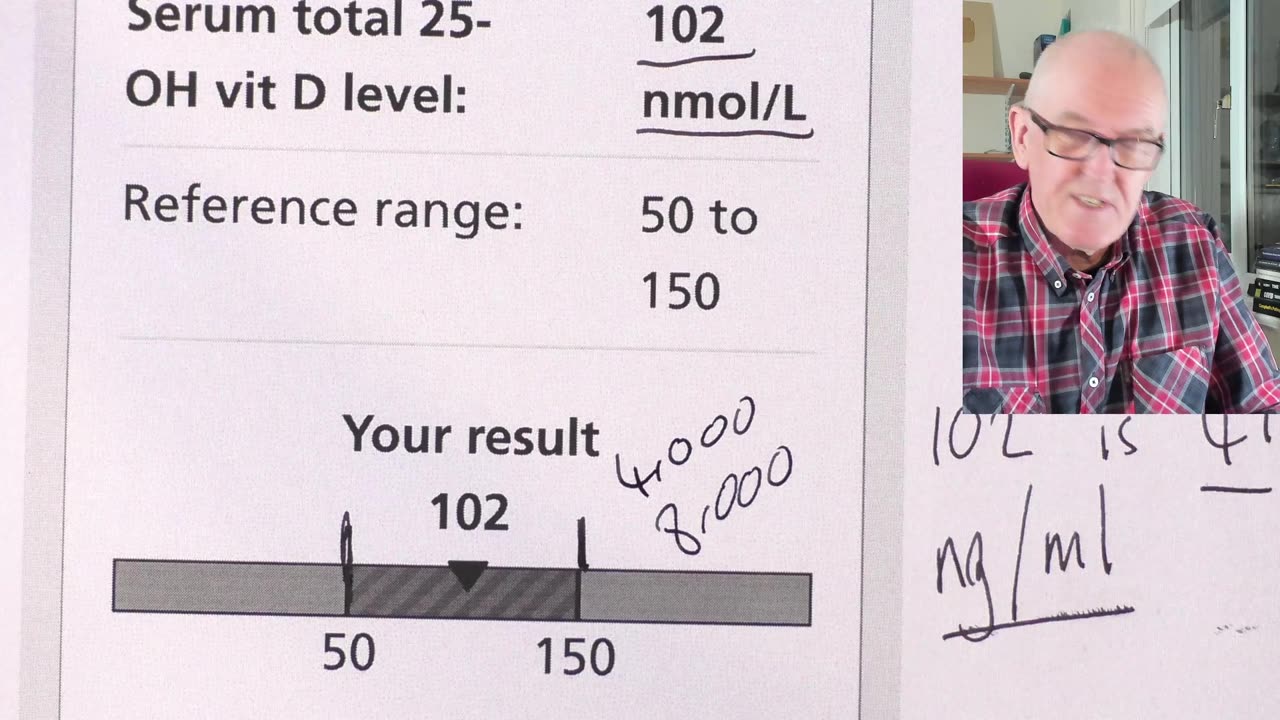
BBC and vitamin D
<15 nmol/L v ≥75 nmol/L
33% reduction in hospitalization with acute respiratory infections, (upper and lower)
Covid
Influenza
Bronchitis
Pneumonia
Prostate cancer, colon cancer, ovarian cancer, breast cancer, cancer treatments, dementia, diabetes type 2, metabolic syndrome, obesity, polycystic ovary syndrome, all infections, covid, TB, low mood, Alzheimer’s Parkinson’s, MSK pains and problems, osteoporosis, MS, RA, SLE, DM1, Crohn’s, psoriasis, eczema, hypertension, CAD, heart failure, stroke, preeclampsia
Vitamin D deficiency linked to hospital admissions
https://www.bbc.com/news/articles/czx3g1d57xpo
University of Surrey
People with a severe vitamin D deficiency (below 15 nmol/L), a third more likely to be admitted to hospital with conditions including bronchitis and pneumonia.
(15 nmol/L is 6 ng / ml)
Abi Bournot, (lead author)
"antibacterial and antiviral properties" of vitamin D are thought to help reduce the risk of respiratory tract infections."
Improves immune recognition
Supports T and B cell response
Reduces excessive pro-inflammatory cytokines
Promotes production of antimicrobial peptides against bacterial infections.
Enhances antiviral white cell function, e.g. promotes interferon reserves
"This research attaches hard data to support the theory.
"Despite its importance to our overall health, many people are deficient and do not meet the government's recommended intake of 10 microgrammes of vitamin D per day."
(10 micrograms is 400 iu)
-
 16:34
16:34
Dr. John Campbell
1 month agoGovernment data refusal
15.8K149 -
 3:32:44
MattMorseTV
9 hours ago $28.12 earned🔴Bannon x Epstein INTERVIEW.🔴
69.8K116 -
 2:41:07
Tundra Tactical
7 hours ago $3.41 earned🛑🚨Dan Wesson DWX GIVEAWAY Announcement!! 🚨🛑 Tundra Tactical Recaps Shot Show 2026
32.7K -
 1:54:51
DLDAfterDark
8 hours ago $2.83 earnedThe Truth About Forced Reset Triggers - Rare Breed Drama & Tim Hoffman's Super Safety
32.6K5 -
 17:42
17:42
WhatCulture - Film
1 day ago $3.11 earned18 Movie Mistakes You Can Never Unsee
33.4K2 -
 4:16
4:16
RidiculousRides
1 day ago $2.08 earnedFrom Lincoln to Legend: Inside the Build of America’s Wildest Off-Road Limo
30.3K2 -
 2:50:23
Barry Cunningham
9 hours agoLIVE TONIGHT: There's Something BIG Going On In Fulton County And The Democrats Are FREAKING Out!
92.2K101 -
 41:34
41:34
Stephen Gardner
9 hours agoTim Walz is DONE! MN Fraud NIGHTMARE Explodes!
40.9K105 -
 9:34:37
Plan ₿ Forum
9 days agoPlan ₿ Forum El Salvador 2026 – Day 2 Live from the WAGMI Stage
435K18 -
 1:15:26
Patriots With Grit
14 hours agoCancer Breakthrough: There Is An Oasis Of Hope | Dr. Francisco Contreras
17.6K4