Berries: Nature’s Winter Survival Strategy
Winter isn’t empty—it’s stocked with hidden food. Berries are nature’s survival pantry when everything else disappears. Look closer, and you’ll see winter is very much alive.
This episode explores why berries are one of the most overlooked yet essential food sources in nature, especially during winter. While the landscape may look barren, berry-bearing trees and shrubs are quietly sustaining birds and mammals when insects and fresh vegetation are gone. The discussion walks through how berries store summer energy, how different species rely on them, and why winter is not a pause in nature, but a continuation of it. The episode also highlights how planting native berry-producing plants can support wildlife right outside the door.
Top Topics Covered
Why Berries Matter in Winter
Berries act as concentrated packets of energy, holding sugars and fats created during the growing season. Unlike many fruits that fall quickly, berries often stay attached to shrubs and trees deep into winter, standing out against snow as visible signs that food is still available.
Birds That Depend on Berries
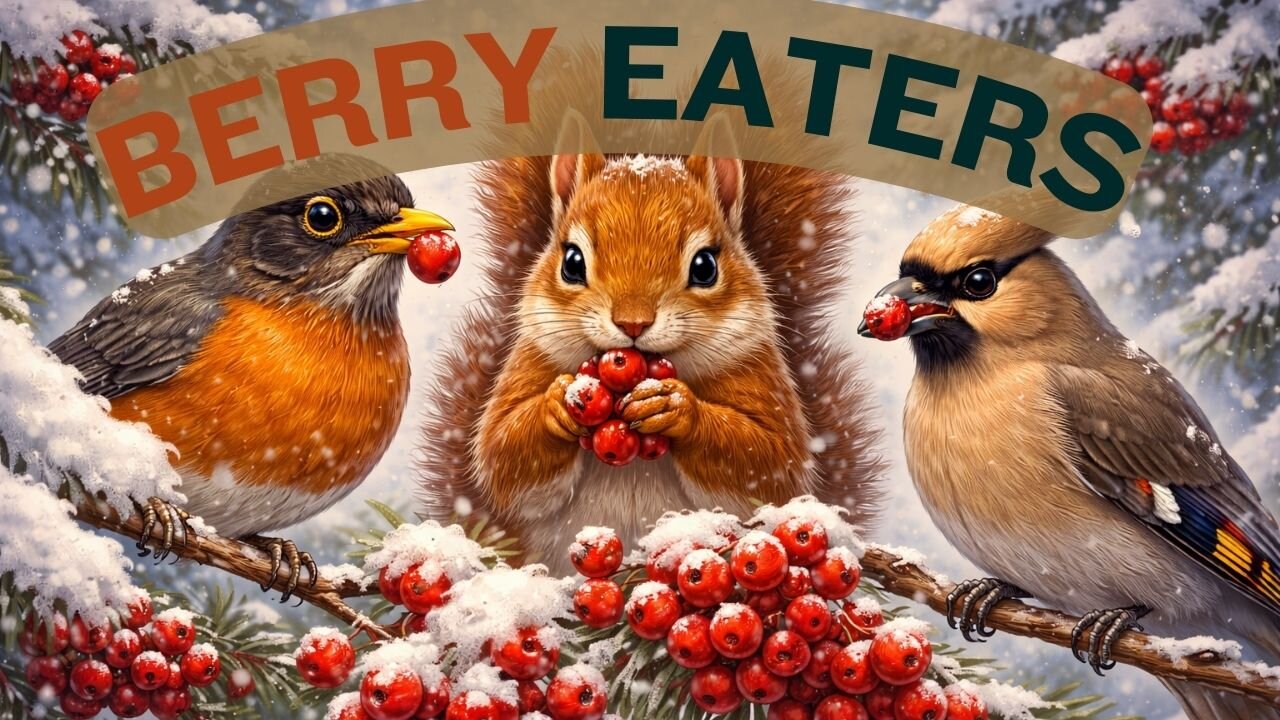
As insect-eating birds leave and seed-eaters struggle with snow-covered ground, berry-eating birds thrive. Species like robins adapt by shifting their diet entirely to berries once the ground freezes. Cedar waxwings go even further, traveling in tight flocks and stripping entire trees of fruit in minutes.
Berry Trees as Wildlife Gathering Hubs
A single berry-laden tree can attract multiple bird species at once, turning a quiet winter yard into a brief burst of activity. These trees function as communal feeding stations that support biodiversity even in the coldest months.
Mammals and the Berry Network
Deer, foxes, coyotes, squirrels, and small mammals all rely on berries for winter calories. Forgotten squirrel caches feed other animals, connecting species that never directly interact but depend on the same food system.
Timing, Fermentation, and Nature’s Humor
Some berries delay being edible until freeze-thaw cycles soften them, spreading food availability across the season. Occasionally, natural fermentation creates slightly intoxicated birds, adding an unexpected and harmless bit of comedy to winter survival.
Key Takeaways
Winter is not a dead season—it’s a different chapter in nature’s story. Berries prove that energy harvested in summer continues to circulate through ecosystems long after leaves fall. Paying attention to berry plants reveals how wildlife adapts, survives, and stays connected even in harsh conditions.
Planting native berry-producing trees and shrubs supports local wildlife while adding beauty and life to winter landscapes. Watching what happens to berries over the season offers a deeper understanding of how nature works right outside the door.
http://jillfromthenorthwoods.com
https://www.buymeacoffee.com/smallstepspod
Twitter - https://twitter.com/schmern
YouTube @BuzzBlossomSqueak
Email the podcast at mailto: [email protected]
By choosing to watch this video or listen to this podcast, you acknowledge that you are doing so of your own free will. The content shared here reflects personal experiences and opinions and is intended for informational and inspirational purposes only. I am not a licensed healthcare provider, psychiatrist, or counselor. Any advice or suggestions offered should not be considered a substitute for professional medical or mental health advice. You are solely responsible for any decisions or actions you take based on this content.
-
 LIVE
LIVE
Rallied
33 minutes agoWarzone Streaking w/ Ral
73 watching -
 16:53
16:53
Exploring With Nug
3 hours ago $5.86 earnedPolice Told Us to Leave After This Discovery Under the Bridge
112K25 -
 LIVE
LIVE
GamerGril
1 hour agoBaby Sitting A Blonde 💞Resident Evil 4💞
108 watching -
 LIVE
LIVE
GritsGG
2 hours ago#1 Warzone Victory Leaderboard 1390+ Ws!!🔥
663 watching -
![Ghost Recon: Break Point [Fresh Start] - Powered by Rumble Studio](https://1a-1791.com/video/fww1/96/s8/1/-/o/X/Z/-oXZz.0kob-small-Ghost-Recon-Break-Point-Fre.jpg) LIVE
LIVE
LumpyPotatoX2
3 hours agoGhost Recon: Break Point [Fresh Start] - Powered by Rumble Studio
110 watching -
 23:18
23:18
Robbi On The Record
5 hours ago $6.03 earnedPeptides vs Ozempic: The Truth No One Is Saying
28.4K18 -
 LIVE
LIVE
ReAnimateHer
20 hours ago $0.01 earnedCats, Dogs Every animal inbetween Charity Event | Premium Creator
45 watching -
 51:12
51:12
hickok45
10 hours agoSunday Shoot-a-Round # 320
31.5K21 -
 3:32:13
kayleighgaming
7 hours ago🔴NEW TO ARC Raiders | Day 2 - Early Game Struggles & Close Escapes 🔴 #VERTICAL #LIVE
1032 -
 1:07:17
Athlete & Artist Show
5 hours ago $6.17 earnedOLYMPIC HOCKEY WATCH PARTY | CANADA vs FRANCE
93.8K3