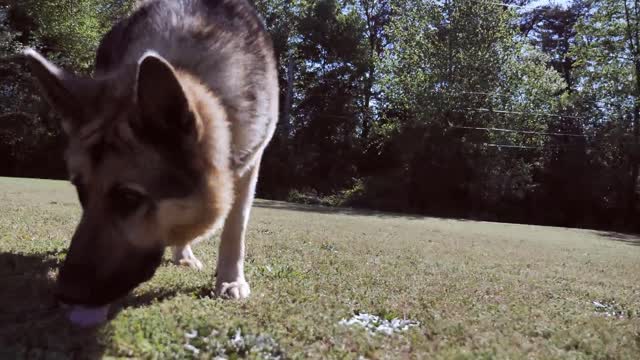
Understand the probiotic trend in animal nutrition.
Understand the probiotic trend in animal nutrition.
Probiotics are live bacteria or yeasts of different strains that can be added to food or feed. The best transient colonization occurs with microorganisms (MOOGs) such as lactic acid bacteria, which are mostly isolated from the gastrointestinal tract of mammals, and therefore have their best condition for growth and adaptation in them (provided they survive the thermal process and digestion steps prior to their arrival in the intestine).
The genera Lactobacillus, Bifidobacterium, and Streptococcus, for example, are lactic bacteria that colonize the gastrointestinal tract and act by competitive exclusion, adhering by means of fimbriae to the cells of the intestinal epithelium, as well as to the main pathogens. The few pet foods on the market that contain probiotics are restricted to the use of Bacillus sp and yeast (Saccharomyces cerevisiae), because they are considered more resistant microorganisms to the extrusion process. However, these are non-colonizing microorganisms, which only pass through the intestinal lumen along with the food content and do not adhere to the epithelium.
Probiotics have wide application in veterinary practice from the primary immunomodulatory effects beneficial to the intestinal microbiota. They exert a biological effect, promoting a low oxygen tension environment, preventing the growth of pathogenic microorganisms, mainly of the genus Salmonella spp. They also have a chemical effect, producing organic acids that will reduce the pH of the intestinal lumen, in order to inhibit the activity of harmful bacteria (such as Clostridium perfringens). They also promote the growth of beneficial microorganisms (such as Lactobacillus). Probiotics can also produce bacteriocins, which inhibit the development of Salmonella, Escherichia coli, and Staphylococcus, fighting disease-causing pathogens.
In turn, it is important to emphasize that the study of the microbiota of dogs and cats may also have an influence on human health, due to the increasingly close relationship between guardians and pets. Not only does dietary supplementation contribute to the modulation of the microbiota, but also our surroundings, as the individuals we interact with can also shape our microbial communities. A study by SONG and colleagues (2013) observed that dog guardians shared more bacteria with their dogs than with dogs of other guardians, especially in the skin microbiota.
-
 LIVE
LIVE
Misfits Mania
13 hours ago $13.84 earnedANDREW TATE VS CHASE DEMOOR OFFICIAL OPEN WORKOUT
5,240 watching -
 LIVE
LIVE
The Bubba Army
21 hours agoTRUMP'S CHIEF OF STAFF RUNNING WILD! - Bubba the Love Sponge® Show | 12/17/25
591 watching -
 1:09:13
Graham Allen
2 hours agoTrump To Address The Nation! + Candace Bends The Knee, The Cult Turns On Her!
34.3K368 -
 LIVE
LIVE
Wendy Bell Radio
5 hours agoIs She Even An American?
7,045 watching -
 1:14:09
Chad Prather
15 hours agoHow to Recognize When God Has Already Answered Your Prayer
23.7K20 -
 LIVE
LIVE
LFA TV
13 hours agoLIVE & BREAKING NEWS! | WEDNESDAY 12/17/25
2,567 watching -
 1:33:59
Game On!
19 hours ago $1.53 earnedBIGGEST 2025 College Football Playoff 1st Round BETS NOW!
32K2 -
 1:04:39
Crypto Power Hour
12 hours ago $4.69 earnedState of Early Stage Crypto Investor Rob Good
56.2K8 -
 1:24:24
LIVE WITH CHRIS'WORLD
19 hours agoTHE WAKE UP CALL - 12/17/2025 - Episode 27
33.9K -
 27:51
27:51
ThinkStory
20 hours agoIT: WELCOME TO DERRY Season 1 Ending Explained!
39.9K